


People often ask what makes a successful investor. My answer is that it’s rarely just one thing—but above all, it’s discipline.
New angel investors frequently make mistakes when they go it alone, driven by both inexperience and overconfidence. Some believe they can concentrate their capital into just a few deals where they have strong “conviction.” The problem is that no amount of conviction can offset the wide range of risks that can derail a startup—whether from external market forces or internal team dynamics. At Rockies Venture Club, we conduct rigorous due diligence, but even then our guidance is to diversify across at least ten investments, even if that means allocating less capital to each. Diversification materially improves the odds of success, and the data consistently shows that each additional portfolio company increases the probability of achieving strong overall returns.
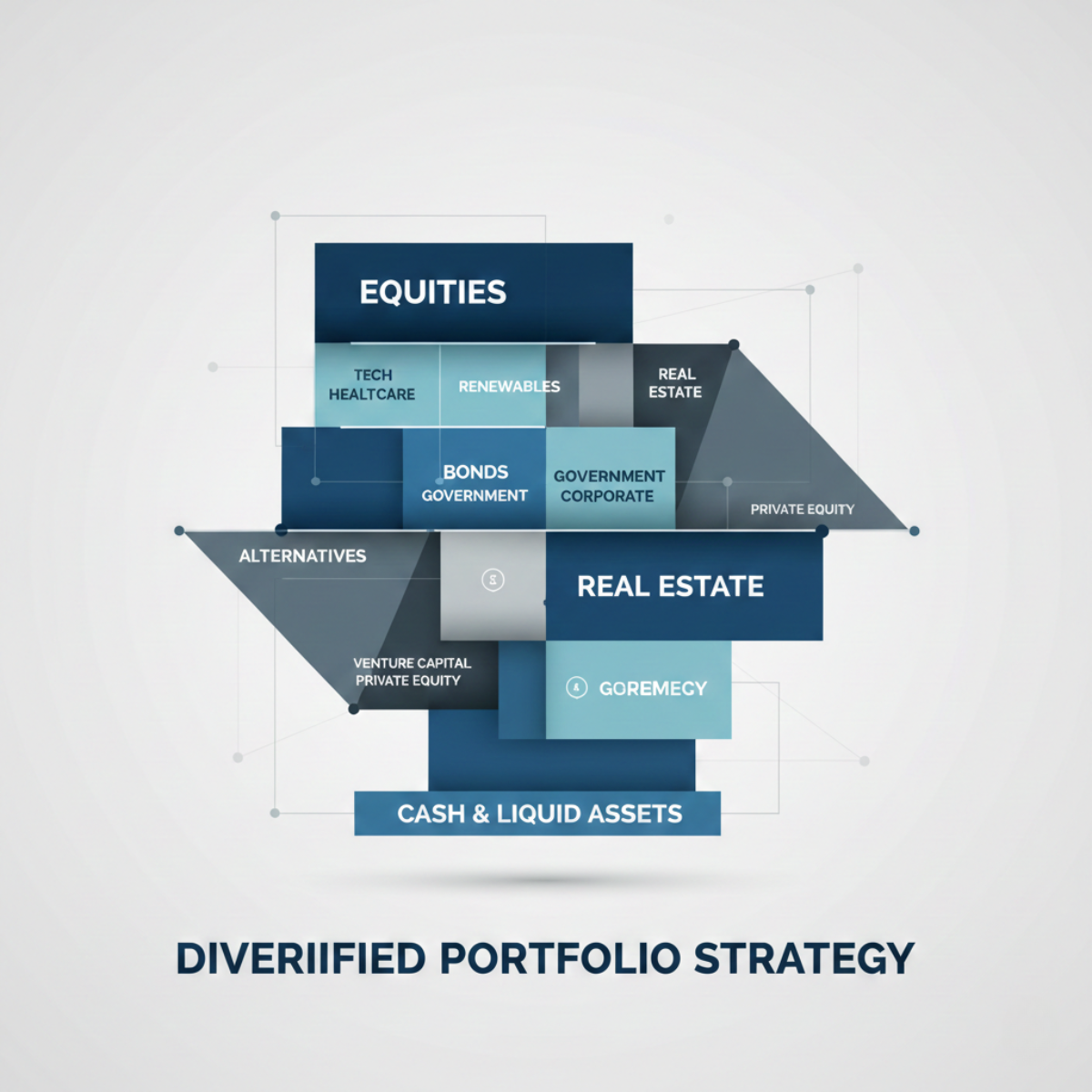
Discipline in knowledge is equally important. Effective due diligence is not only about identifying obvious risks, but also about recognizing what is missing. The ability to spot gaps—whether in strategy, team composition, or execution—comes with experience and with the discipline to pay attention to small details that often become significant issues later.
Some new investors believe that “valuation doesn’t matter” and they go along with the offers from optimistic startups. Investors shouldn’t push values down so low that founders are diluted over 25% for any round, but they also shouldn’t be blindly accepting $10-15 million dollar valuations for pre-seed companies without an MVP, customers, patents or other traction. There are crazy valuations for native AI companies (i.e. not just companies that implement AI, since virtually everyone does that today), and we have to separate those from other companies in tech, life science, etc. when doing our research in comparable transactions because they simply are not comparable and it takes discipline to realize that and to take a pass on an overpriced company.

Discipline with exits is equally important. I was screening companies for an upcoming pitch event last week and I came across a promising looking company, but when I got to their exit strategy (i.e. none - they wanted to build something meaningful) I had to take a hard pass. With exits now taking 5-10 years in many cases, early stage investors can’t get involved with companies that have no idea how they are going to return money to investors, and especially those who openly state that they have no intention of pursuing an exit - i.e. they plan to never return investors’ money!
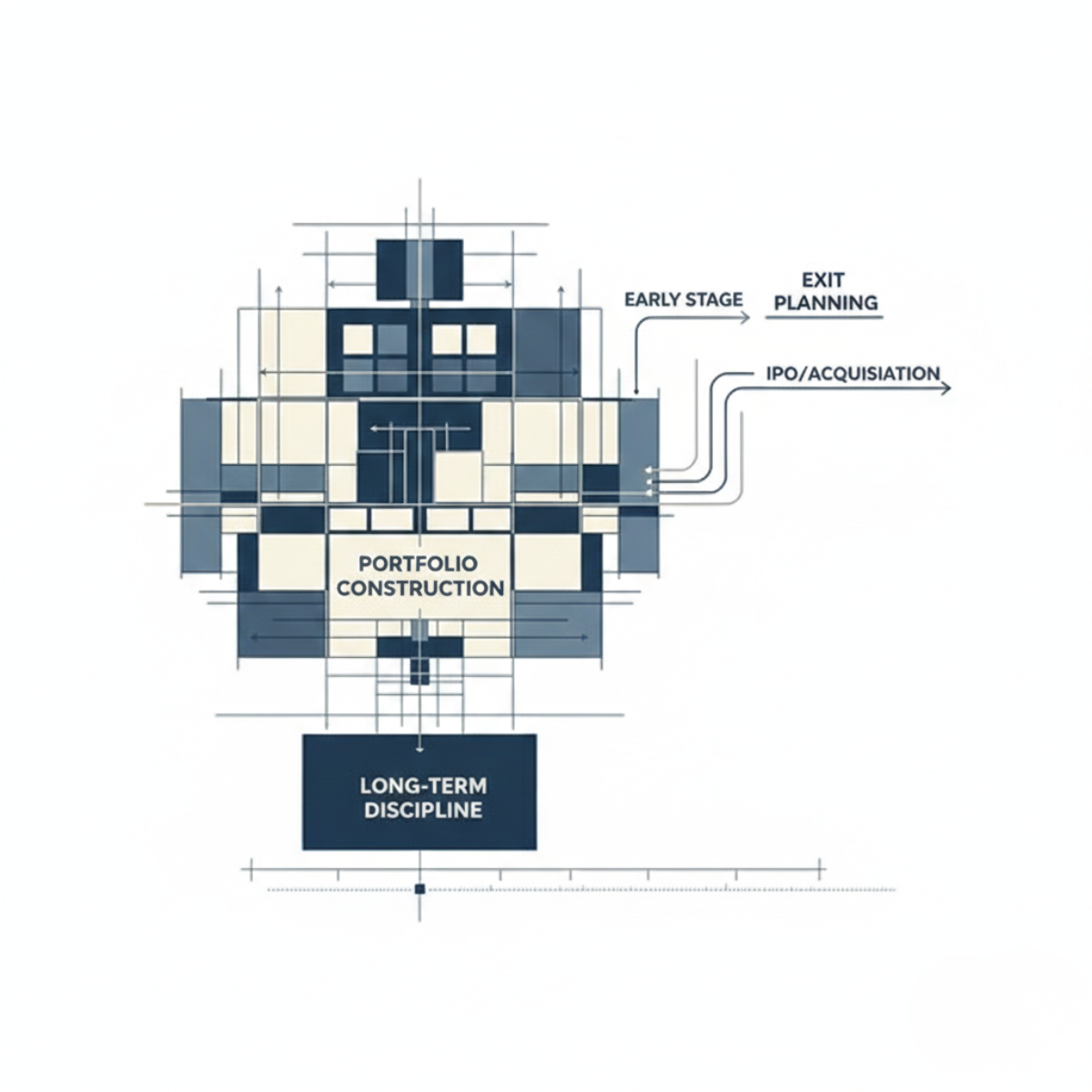
Venture capital funds typically operate with a well-defined portfolio construction framework. This includes decisions about how many companies to invest in, typical initial check sizes, target ownership percentages, and reserves for follow-on investments. These elements work together to manage risk and optimize returns for limited partners. Disciplined funds adhere to this framework consistently, even when individual opportunities are compelling.
Angel investors and first-time fund managers are often criticized because they focus on the wrong signals. Many overemphasize founder passion without adequately evaluating the underlying fundamentals. Solo angels, in particular, may lack the time or inclination to conduct thorough diligence and may invest simply because they like the founders.
Rockies Venture Club exists to support both new and experienced investors by providing disciplined deal flow, structured decision-making, and institutional-quality diligence. Our goal is to help investors build well-constructed portfolios that perform over the long term. We are grateful for our highly engaged community and for the dedicated teams that focus on screening, diligence, and portfolio management.

.jpg)


.jpg)

