I attended the Space Investment Summit in Golden, Colorado, last week, and it was a great event, with a good combination of networking, presentations, and company pitches. But I was surprised to find that most of the companies pitching had given little thought to their exit strategies.
One company said, “We’re just going to grow the company and be profitable.” That’s nice, but it doesn't address how investors will get their money back. Another company had a twenty-year timeline before it could install its first product in space, yet hadn't considered how it might return capital to investors along the way.

Space technologies are known for long development timelines and capital-intensive business models. Given that these are major risks for investors, potentially making companies uninvestable for traditional ten-year venture capital funds, you’d think founders would put more thought into exit strategies.
I like to compare space investments with life science therapeutics. Both have long development timelines and capital-intensive financial projections. But most life science companies I talk to have well-defined exit strategies, including what I call investor "off-ramps."
There are major risk inflection points associated with FDA milestones: IND authorization, Phase 1 clinical trials, Phase 2, and Phase 3. The industry has a well-established track record of major pharmaceutical companies making substantial investments or acquiring companies outright once key risks have been reduced.
Space companies have similar milestones that can make them attractive acquisition targets much earlier than founders might expect. These include successful technology demonstrations, flight heritage, regulatory approvals, and market validation. SpaceFund’s research across 50 space exits found an average exit of seven years, putting it on par with typical tech deals. In fact, some space companies are being acquired in just three to five years, creating the potential for early liquidity and attractive IRRs for venture investors.
A recent Colorado success story illustrates the opportunity.
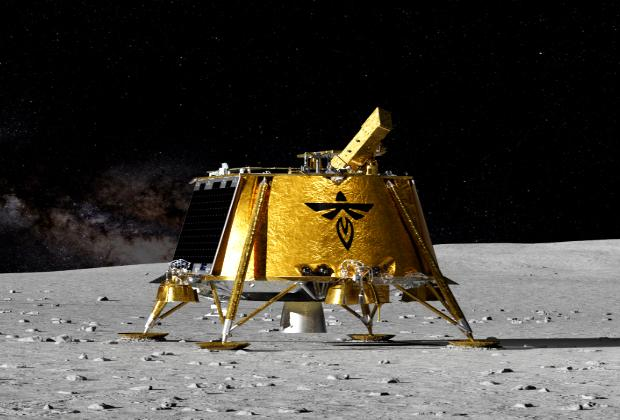
Space-ng, founded in 2024, was acquired by Firefly Aerospace in June 2026, just two years after its founding.
Its autonomous navigation technology had already been demonstrated during Firefly's Blue Ghost lunar landing. Firefly acquired the company to integrate its AI navigation software and camera hardware into future lunar and orbital vehicles.
The acquisition price wasn't disclosed, and the company wasn't necessarily generating substantial revenue. But that's precisely the point: a successful technology demonstration created strategic value that led to an early acquisition.

I draw three investment conclusions from examples like this:
- Components and enabling technologies can exit faster than complete space systems. Propulsion, navigation, sensors, autonomy software, and satellite subsystems can all become attractive acquisition targets without requiring a company to build and operate an entire space infrastructure business.
- Strategic value can precede significant revenue. A company that demonstrates its technology in a demanding environment and solves a critical problem for a major aerospace contractor can be acquired before achieving substantial commercial scale. That's quite different from the traditional SaaS model of building annual recurring revenue to achieve a revenue-multiple exit.
- The acquisition ecosystem matters. Companies such as Redwire, Rocket Lab, Voyager Technologies, Anduril Industries, and Firefly Aerospace have pursued acquisitions to expand their capabilities. That creates a growing set of potential strategic buyers for specialized aerospace suppliers.

Because time to exit, exit multiples, and capital intensity vary so significantly across aerospace businesses, I would encourage founders to spend more time understanding their exit options and identifying potential investor off-ramps.
They may find that raising their first round becomes much easier. A credible exit strategy not only gives investors confidence in how and when they might realize returns, but can also help founders focus on the milestones that really matter. And if achieving those milestones requires less capital, the resulting lower valuations and reduced dilution can make for more attractive investments.
The goal isn't necessarily to build a billion-dollar space company. Sometimes, the best outcome for founders and investors is to build a technology that's strategically valuable enough for someone else to buy—sooner rather than later.